INTRODUCTION
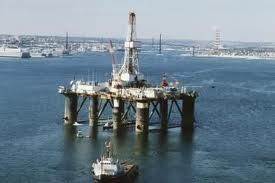
Oil recovery operations traditionally have been subdivided into three stages: primary, secondary and tertiary. These stages described the production from a reservoir in a chronological sense. Primary production resulted from the displacement energy naturally existing in reservoir. Secondary recovery usually implemented after primary production declined, the term secondary recovery is now almost synonimous with waterflooding. Tertiary recovery was that obtained after waterflooding (or whatever secondary process used) it’s used miscible gases, chemicals and/or thermal energy to displace additional oil. When the waterflooding stage might be reasonably be bypassed the term tertiary recovery fell into disfavor in petroleum engineering term and the designation of enhaced oil recovery (EOR) become accepted to replace the term of secondary and tertiary recovery. In describing the different EOR processes (Waterflooding, Miscible Displacement, Chemical Flooding: Micellar/Polymer, Surfactant, Alkaline and finally Thermal Recovery Processes, it will be focused on the fundamental concepts of each processes and it will also present methods of predicting oil recovery when the processes are applied to oil reservoir. Many methods are available to calculate displacement performance, ranging from simple models based on volumetric sweep to sophisticated method. Thus, with the proper understanding of all enhanced oil recovery processes will reduce the entire cost of the plant and production operation of EOR system. This five-day training will provide a comprehensive knowledge and understanding of different EOR processes (Waterflooding, Miscible Displacement, Chemical Flooding: Micellar/Polymer, Surfactant, Alkaline) and Thermal Recovery Processes with various fields example.
OBJECTIVES
- Refresh the knowledge of the participants on reservoir engineering and enhanced oil recovery (EOR) processes.
- Understand the fundamental concepts of each EOR process and ability to calculate and to predict the EOR performance.
- Learn the simple EOR models based on volumetric sweep model to sophisticated method of calculation.
- Enhance the knowledge on EOR processes (Waterflooding, Miscible Displacement, Chemical Flooding: Micellar/Polymer, Surfactant, Alkaline) and Thermal Recovery Processes with various fields example.
- Gain additional knowledge on EOR processes (Waterflooding, Miscible Displacement, Chemical Flooding: Micellar/Polymer, Surfactant, Alkaline) and Thermal Recovery Processes. Knowledge sharing among the participants and instructors
No specified (Operator/ Sr. Operator/Engineer or Non Engineer)
FEATURING THE FOLLOWING SUBJECTS
Introduction to EOR Processes- Definition of EOR
- Target Oil Resources for EOR Processes
- Idealized Characteristics of an EOR Processes
- Potential of Different Processes
- Screening Criteria for Process Applicability
- Capillary Forces
- Viscous Forces
- Phase Trapping
- Mobilization of Trapped Phases-Alteration of Viscous/Capillary Force Ratio
- Waterflood Performance-Frontal Advanced Equation
- Viscous Waterflood in a Linear System
- Chemical Flooding in Linear System
- Application of Chemical Flooding Model
- Displacement of Slugs
- Dispertion During Niscible Displacement
- Viscous Fingering-Instability in Displacement Fronts
- Volumetric Displacement Efficiency and Material Ballance
- Definition and Discussion of Mobility Ratio
- Areal Displacement Efficiency
- Vertical Displacement Efficiency
- Volumetric Displacement Efficiency
- Process Description
- Physical and Chemical Characteristics of Polymer
- Flow Polymer Through Porous Media
- In-Situ Permeability Modification
- Mobility Control to maintain Chemical Slug Integrity
- Foam as EOR Agent
- WAG Process
- General Description of Miscible Displecement
- Principles of Phase Behavior in Miscible Displacement
- FCM anc MCM Processes
- Measurement and Prediction of MMP or MME in Multiple Contact Prosess
- Fluid Properties in Miscible Displacement
- Miscible Displacement Modeling
- Description of Micellar/Polymer Process
- Surfactants
- Phase Behavior of Microemultion and IFT
- Variables Affecting Phase Behavior and IFT
- Viscosity and Density of Microemultion
- Displacement Mechanism
- Modeling, design Procedure and Criteria of Chemical Flood Displacement
- Alkaline Flooding
- Heat Losses During Steam Injection
- Cyclic Steam Stimulation
- Reservoir Heating by Steam Injection
- Estimating of Oil Recovery From Steam Drive
- In-Situ Combustion
- Comparison of Steam and In-Situ Combustion
CITRA INTI TRAINING consultant team
DURATION OF TRAINING
3 days (effective 21th hours ) I
INVESTMENT TRAINING (Excluding Accommodation) :
- IDR 9.500.000,-/participant (Jakarta)
- IDR 9.500.000-/participant (Bandung)
- IDR 9.500.000,-/participant (Yogyakarta)
- IDR 11.500.000,-/participant (Bali)
- IDR 11.550.000,-/participant (Lombok)
- US$ 2.780/participant (Malaysia)
Rp 7.500.000 / participant
FASILITAS Training Tatap muka
- Sertifkat, Modul + Soft Copy, Training Kit, Lunch, Coffee Break, Jaket dan diselenggarakan di hotel berbintang
- Sertifkat, Modul Soft Copy
JADWAL TRAINING PERIODE 2026 :
|
Januari
|
Februari
|
|
Maret
|
April
|
|
Mei
|
Juni
|
|
Juli
|
Agustus
|
|
September
|
Oktober
|
|
November
|
Desember
|
|
11-13 Januari 2027, Surabaya 18-20 Januari 2027, Jakarta 25-27 Januari 2027, Yogyakarta |
Februari 1-3 Februari 2027, Malang 8-10 Februari 2027, Yogyakarta 15-17 Februari 2027, Semarang 22-24 Februari 2027, Bandung |
|
Maret 22-24 Maret 2027, Jakarta 29-31 Maret 2027, Bandung
|
April 5-7 April 2027, Jakarta 12-14 April 2027, Malang 19-21 April 2027, Surabaya 26-28 April 2027, Yogyakarta
|
|
Mei 3-5 Mei 2027, Yogyakarta 10-12 Mei 2027, Jakarta 17-19 Mei 2027, Surabaya 24-26 Mei 2027, Bandung
|
Juni 7-9 Juni 2027, Jakarta 14-16 Juni 2027, Yogyakarta 21-23 Juni 2027, Malang 28-30 Juni 2027, Bali
|
|
Juli 5-7 Juli 2027, Jakarta 12-14 Juli 2027, Semarang 19-21 Juli 2027, Malang 26-28 Juli 2027, Bandung
|
Agustus 2-4 Agustus 2027, Yogyakarta 9-11 Agustus 2027, Surabaya 18-20 Agustus 2027, Bandung 23-25 Agustus 2027, Jakarta
|
|
September 6-8 September 2027, Semarang 13-15 September 2027, Jakarta 20-22 September 2027, Yogyakarta 27-29 September 2027, Malang
|
Oktober 4-6 Oktober 2027, Surabaya 11-13 Oktober 2027, Jakarta 18-20 Oktober 2027, Yogyakarta 25-27 Oktober 2027, Bandung
|
|
November 1-3 November 2027, Bandung 8-10 November 2027, Malang 15-17 November 2027, Semarang 22-24 November 2027, Bandung
|
Desember 6-8 Desember 2027, Yogyakarta 13-15 Desember 2027, Jakarta 20-22 Desember 2027, Malang 27-29 Desember 2027, Semarang
|
Link Pendaftaran : http://bit.ly/FormRegistrasiCIT